The simplest answer to how much water per day is drink enough so you’re not thirsty and your pee stays pale. This piece covers what counts towards that total and when you might need more or less.
Understanding how much water per day
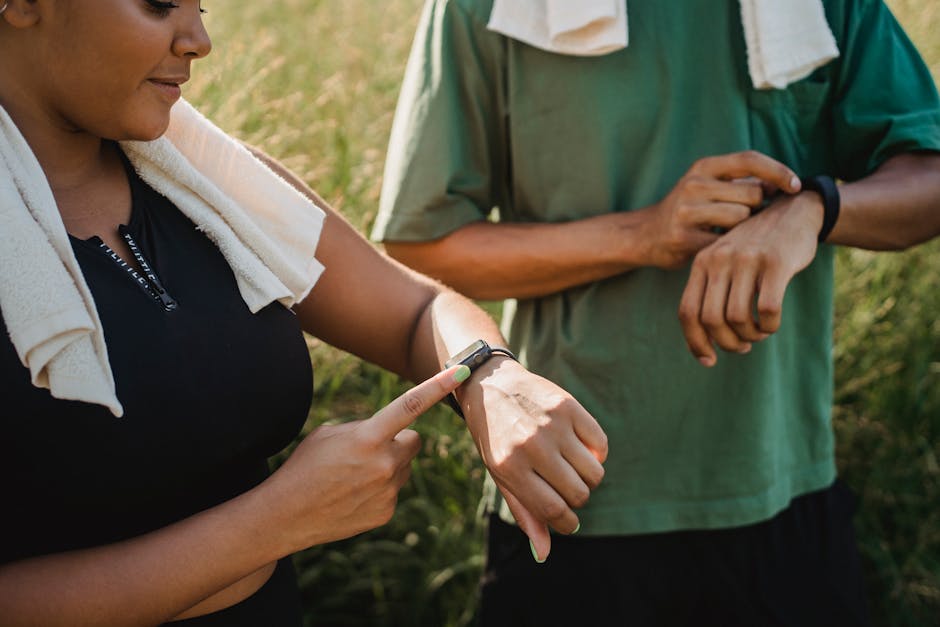
Most people think eight glasses a day is the rule, but that’s a rough starting point, not a magic number. Your size, how active you are, and even the weather all change what you need. A quick way to check is to weigh yourself before and after a long run; if you’ve dropped 1 kg and your pee is dark, you’ve lost about 1 litre you need to replace. Women usually need around 2 litres total from drinks and food, while men need about 2.5 litres, but that’s just a ballpark—some days you’ll drink more, some less.
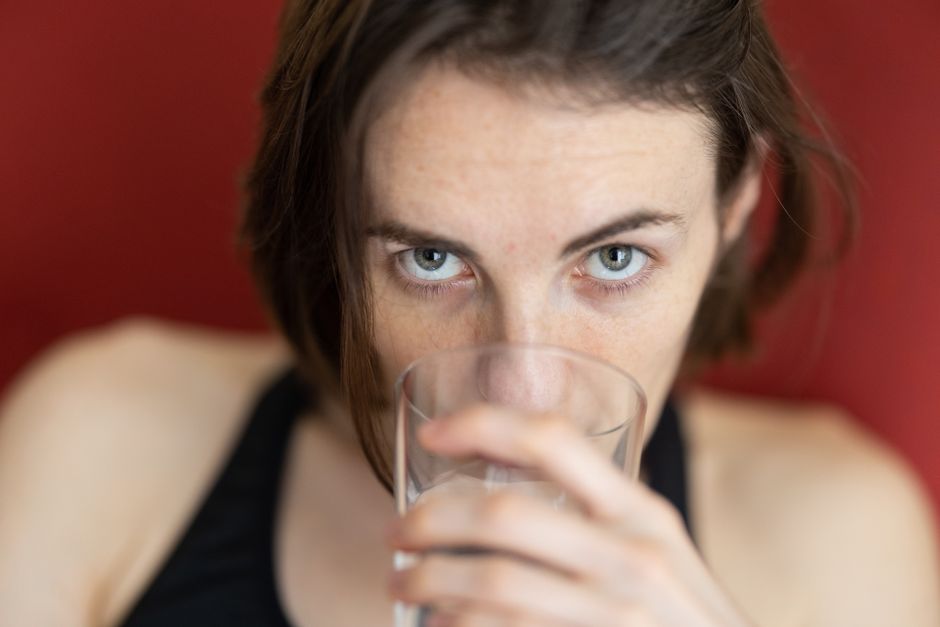
Your body gets water from everything you sip—tea, coffee, milk, even the slice of cucumber in your lunch. If you’re sitting at a desk all day, your 2 litres might come from a couple of mugs of tea, a glass of juice at lunch, and a bottle of water on your desk. If you’re out moving about in 30°C heat, that same 2 litres won’t cut it; you’ll need closer to 3 litres just to stay on top of sweat loss. The colour of your pee is the easiest check—pale straw means you’re fine, anything darker and you’re behind.
How to work it out, step by step
- Enter your body weight.
- Enter your average daily exercise in minutes.
- See your estimated daily water target.
Water (ml) ≈ weight(kg) × 35 + 350 ml per 30 min of exerciseWhy it matters
Skimp on water and the first thing you’ll notice is your head feels thick and your focus slips; by the time you’re properly thirsty, you’re already playing catch-up. People often mistake thirst for hunger and reach for a snack instead of a glass of water, which just adds extra calories they don’t need. Others chug litres at night and wake up needing the loo every hour, so timing matters too.
Free tools for this
| Tool | What it does |
|---|---|
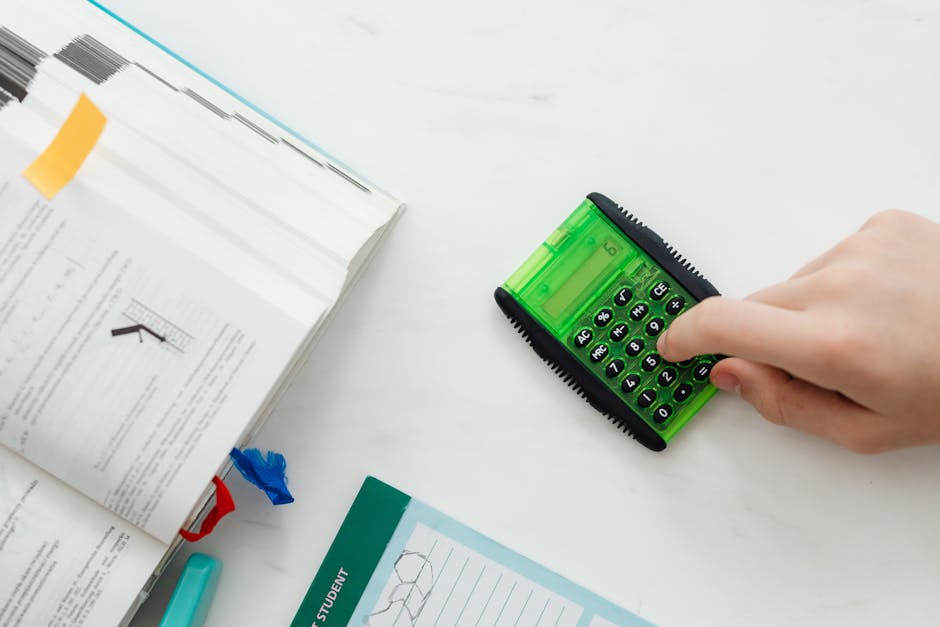
| Water Intake Calculator | Estimate how much water to drink each day for your body and activity. |
| Calorie Calculator | Find your daily calorie target to maintain, lose or gain weight. |
Try the Water Intake Calculator
Skip the manual maths — enter your numbers and get the answer instantly.
Open the Water Intake Calculator →Good to know
Remember that these figures are general guides, not medical advice. Bodies differ, so treat the result as a starting point and speak to a qualified professional before making decisions about your health.
Key takeaways
- Use your pee colour as a quick check—pale straw means you’re drinking enough.
- Add 500 ml on top of your base intake for every hour of moderate exercise.
- Don’t rely on thirst alone; set a glass on your desk and sip steadily through the day.
Frequently asked questions
Do I really need to drink this much water?
Not necessarily. It is a rule-of-thumb figure, not a medical requirement. It also ignores the water you get from food and other drinks, which is a substantial share of most people’s daily intake.
Is the “8 glasses a day” rule true?
There is no strong evidence for it. It is a memorable number that got repeated until it sounded authoritative. Needs vary far too much between people and climates for any single figure to be right for everyone.
Do tea and coffee count?
Yes. Tea, coffee, milk, juice and soft drinks are mostly water and contribute to your intake. Water is simply the cheapest and calorie-free option.
How do I know if I am drinking enough?
For most healthy people, thirst is a reasonable guide, and pale rather than dark urine is a useful everyday check. Both beat following a calculated target.
Can you drink too much water?
Yes, though it is uncommon. Drinking very large volumes in a short period can dilute blood sodium dangerously. Spreading intake across the day rather than forcing it to hit a target is sensible.