

Body Fat Calculator
Estimate your body fat percentage using the U.S. Navy tape method.
How to use the Body Fat Calculator
- Select your gender.
- Measure and enter height, neck and waist (women also enter hip).
- See your estimated body fat percentage and category.
U.S. Navy circumference method (log-based), separate formulas for men and women
About the Body Fat Calculator
This tool estimates body fat percentage using the U.S. Navy circumference method, the tape-measure formula the Navy adopted for body composition screening. It is a logarithmic equation: for men it works from height and the difference between waist and neck; for women it uses height and waist plus hip minus neck. Nothing else is involved — no scales, no calipers, and your weight is not even an input.
Its real value is trend tracking. Because the same measurements always produce the same answer, a series of readings taken the same way tells you which direction your body composition is moving — usually the question people actually have. Measure consistently: same time of day, tape snug but not compressing the skin, waist at the navel for men and at the narrowest point for women.
The limitation is precision. Against a DEXA scan, a circumference estimate can be off by several percentage points either way, and it will be furthest off for people whose fat distribution is unusual for their sex — the formula assumes an average shape. Treat the single number as approximate and the trend as meaningful; this is an estimate, not a medical measurement or advice from a doctor. Compare it with the BMI calculator, which cannot distinguish fat from muscle at all.
Frequently asked questions
How accurate is the U.S. Navy method?
It is an estimate, not a reading. Compared with a DEXA scan it can be several percentage points out either way. It is far better at showing whether your body fat is rising or falling over time than at pinning down a precise figure.
Why does it not ask for my weight?
The Navy equations do not use it. They work purely from height and circumference measurements, which is what lets the same formula work without a scale.
Why do women need a hip measurement?
The female equation uses waist plus hip minus neck, because typical female fat distribution is not captured by the waist alone. The male equation uses only waist minus neck.
How should I measure to get a consistent result?
Same conditions every time: same time of day, relaxed and not holding your stomach in, tape level and snug without digging in. Consistency matters more than perfection because you are watching a trend.
Why did I get an error?
For men the waist must be larger than the neck, and for women a hip measurement is required — otherwise the logarithm has nothing valid to work with. Check that every measurement is in centimetres.
Guides & articles about this tool
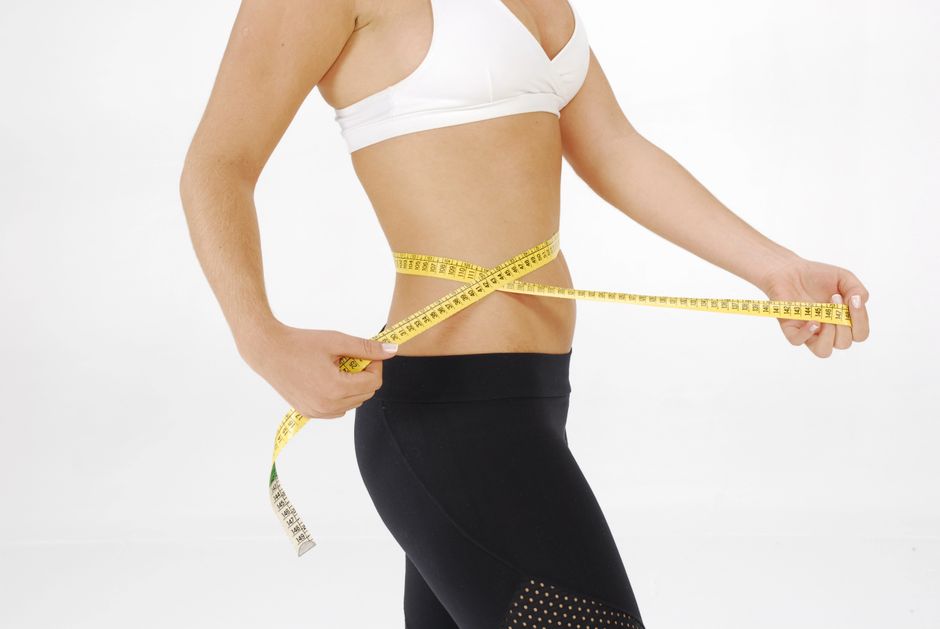
Body Fat Percentage: What It Is and How to Measure It
Your body fat percentage shows how much of your weight is fat compared with muscle, bone and water. This guide explains what that figure means, why it mat…