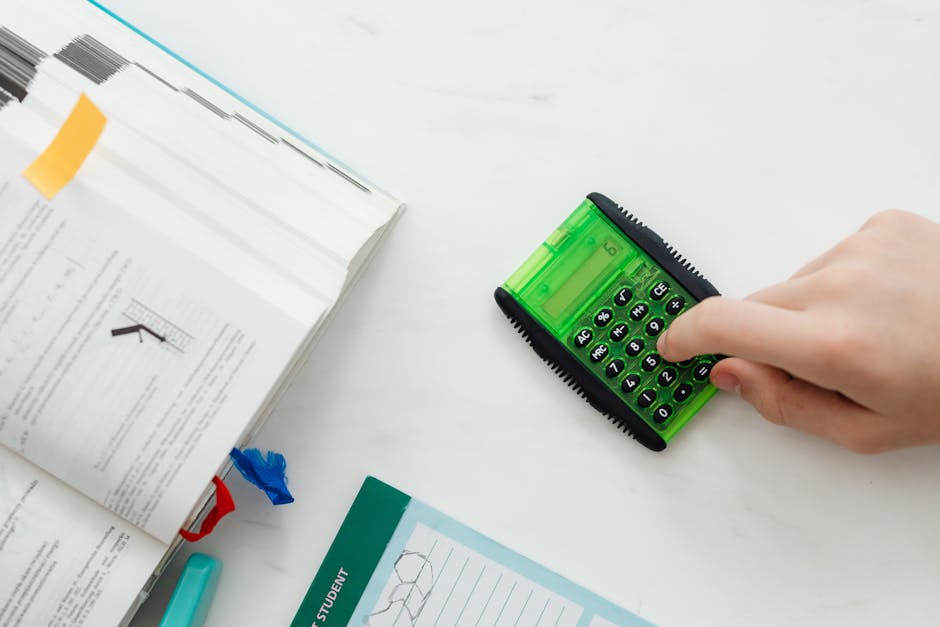
Your credit card payoff date is the day the balance finally hits zero, and that date changes every time you add a charge or make a payment. This piece shows how to work it out yourself and why the free credit card payoff calculator on this site saves you the hassle of doing the sums by hand.
How the payoff date actually works
A credit card balance doesn’t clear by paying the minimum every month. The bank adds interest to what’s left, so the next month’s interest is higher. Over time the minimum covers less of the debt and more of the interest, pushing the payoff date years into the future.
Take a real example. You owe £2,000 at 19.9% APR and can afford £75 a month. A quick run with the free calculator shows the payoff date is 33 months away and the total interest is £672. If you increase the payment to £100 a month, the date drops to 23 months and the interest falls to £432. The difference is real money and real months.
You can work the numbers yourself. Start with the monthly interest: £2,000 × 19.9% ÷ 12 = £33.17. Subtract that from your £75 payment to see how much actually cuts the balance: £41.83. Repeat each month, updating the balance and the next month’s interest, until the balance reaches zero. It’s the same result as the calculator, just slower and easier to get wrong.
Work it out month by month
- Enter your current card balance.
- Enter the card’s APR and what you pay each month.
- See the payoff time and total interest.
Balance is amortised monthly: interest = balance × APR ÷ 12, then the payment reduces the restMinimum Payment vs. Fixed Payment Impact
| Payment Type | Total Interest Paid | Days to Payoff |
|---|---|---|
| Making only minimum payments | $2,450 | 22 years 4 months |
| Paying $100 fixed monthly | $1,120 | 10 years 8 months |
| Paying $150 fixed monthly | $680 | 6 years 7 months |
| Paying $200 fixed monthly | $350 | 3 years 11 months |
Where the minimum payment really hurts
The pain only hits when the statement shows a balance that barely shifts. Someone paying the minimum on £3,000 at 18.9% APR will still owe £2,600 after five years and will have paid £1,800 in interest—enough for a cheap holiday or a car deposit. That’s the trap: the minimum keeps the account open, but the balance barely moves.
Free calculator to do the heavy lifting
| Tool | What it does |
|---|---|
| Credit Card Payoff Calculator | See how long a credit card balance takes to clear — and how much interest it costs. |
Try the Credit Card Payoff Calculator
Skip the manual maths — enter your numbers and get the answer instantly.
Open the Credit Card Payoff Calculator →One last check before you commit
Small differences in interest rate, term or timing can add up to large sums over the years. Before committing to any financial decision, run a few different scenarios so you can see the full picture and choose with confidence.
The three numbers that matter
- Use the free calculator to see your exact payoff date and total interest in seconds.
- Paying even £25 extra each month can shave years off the loan and save hundreds in interest.
- If the balance isn’t dropping, stop paying the minimum and switch to a fixed amount that covers more principal.
Frequently asked questions
What if my payment is too small to clear the card?
If your monthly payment does not exceed the first month’s interest, the balance grows instead of shrinking and never clears. The calculator detects this and tells you to raise the payment rather than showing an impossible payoff date.
Why does paying a little extra each month save so much?
Because interest is charged on the remaining balance every month. Anything you pay above what the interest costs goes straight at the principal, which lowers next month’s interest, and the effect compounds. Small extra payments can cut both the payoff time and the total interest sharply.
Does it use the card’s minimum payment?
No. It assumes the fixed payment you enter, held steady until the card is clear. Real card minimums are a percentage of the balance and shrink as it falls, which stretches payoff out much longer — one reason paying a fixed amount beats paying the minimum.
Does it include new purchases, fees or a changing rate?
No. It assumes no new spending on the card, no fees, and a fixed APR for the whole payoff. Real cards often have variable rates and charges, so treat the result as the best case for the plan you entered.
Is the APR the same as the monthly interest rate?
No. The APR is the annual rate. The calculator divides it by twelve to get the monthly rate it applies to your balance each month, which is the standard way card interest is charged.